SmartWheat – Hyperspectral Crop Research
Field research and data collection for a precision agriculture project at NMBU, using hyperspectral imaging, drones, and multispectral sensors to study climate-resilient wheat varieties.
The SmartWheat project at NMBU investigates how advanced remote sensing technologies can be used to monitor crop health, estimate yields, and support the development of climate-resilient wheat varieties.
As a Field Research Assistant and prospective Master's thesis candidate, I am involved in data collection, sensor operation, and processing of hyperspectral and multispectral imaging data from field experiments.
My Role
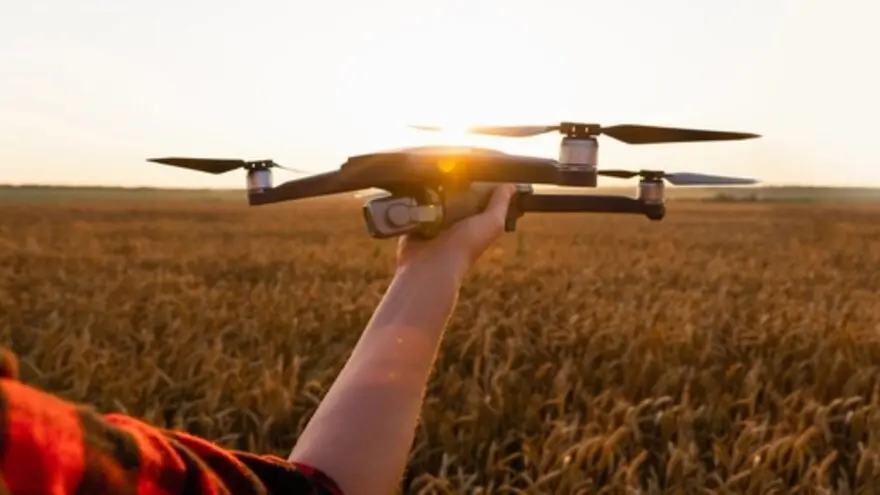
I joined the project as a Field Research Assistant in summer 2026, collecting and processing imaging data from experimental wheat fields. My work involves operating UAV platforms, hyperspectral cameras, RGB sensors, and thermal imaging systems during field campaigns.
Technologies & Methods
- Hyperspectral imaging for canopy reflectance analysis
- UAV / drone-based data acquisition
- Multispectral and RGB cameras
- Thermal imaging
- Plant phenotyping and trait estimation
- Remote sensing data processing
Research Context
SmartWheat is part of a broader research effort to develop precision agriculture tools that support food security under changing climate conditions. By collecting detailed spectral data from field trials, the project aims to identify optical signatures linked to drought tolerance, disease resistance, and yield potential in wheat varieties.
Master's Thesis
This work is directly connected to my upcoming Master's thesis, which will focus on applying machine learning to hyperspectral and remote sensing data for crop monitoring and trait prediction.